The wait is almost over! The FIFA Soccer World Cup 2026 dates have been officially locked in, promising an unprecedented festival of football across three North American nations. This comprehensive guide delivers exclusive data, deep‑dive analysis, and local insights to help you plan your ultimate World Cup journey.
For millions of fans from India and around the globe, the 2026 FIFA World Cup represents more than just a tournament; it’s a cross‑continental celebration of culture, passion, and sporting excellence. With the expansion to 48 teams, the schedule is denser, the host cities more diverse, and the opportunities for unforgettable experiences greater than ever. Let’s break down everything you need to know, from the opening whistle in Mexico City to the final trophy lift in New York/New Jersey.
🔥 Quick‑Fire Summary: FIFA World Cup 2026 At a Glance
Official FIFA World Cup 2026 Match Schedule & Key Dates
Mark your calendars! The tournament will unfold over five thrilling weeks. The official FIFA World Cup 2026 dates have been carefully crafted to maximize fan engagement across time zones while ensuring optimal conditions for players.
📅 Phase‑by‑Phase Breakdown
1. Opening Match & Group Stage (June 11 – July 2, 2026)
The tournament kicks off with a spectacular opening ceremony and match at the iconic Estadio Azteca in Mexico City on Thursday, June 11, 2026. This venue, rich in football history, will set the tone for a month‑long celebration. The group stage will see 48 teams divided into 12 groups of four. Each team plays three matches, with four matches per day during this phase, ensuring a constant stream of football.
For Indian fans, match timings will vary by host city location. Matches in Pacific Time Zone cities like Los Angeles or Vancouver will typically start between 9:00 PM and 3:00 AM IST. Matches in Eastern Time Zone cities like New York or Toronto will fall between 11:30 PM and 5:30 AM IST. Planning your viewing parties or late‑night sessions is crucial!
2. Round of 32 & Round of 16 (July 3 – July 12, 2026)
The knockout stage begins with the newly introduced Round of 32, adding an extra layer of drama. The intensity ramps up as teams face sudden death. The Round of 16 follows immediately, featuring classic high‑stakes clashes. This period is where legends are made and heartbreaks are felt most deeply.
3. Quarter‑Finals, Semi‑Finals & Final (July 13 – July 19, 2026)
The business end of the tournament. The four Quarter‑Finals will be held across different cities, culminating in the two Semi‑Finals. The grand finale – the FIFA World Cup 2026 Final – is scheduled for Sunday, July 19, 2026, at the state‑of‑the‑art MetLife Stadium in East Rutherford, New Jersey (New York area). This promises to be a historic night under the lights.
| Event | Start Date | End Date | Key Details |
|---|---|---|---|
| Opening Match | June 11, 2026 | - | Estadio Azteca, Mexico City |
| Group Stage | June 11, 2026 | July 2, 2026 | 72 matches, 12 groups of 4 |
| Round of 32 | July 3, 2026 | July 6, 2026 | First knockout round (16 matches) |
| Round of 16 | July 7, 2026 | July 10, 2026 | Classic knockout stage (8 matches) |
| Quarter‑Finals | July 13, 2026 | July 14, 2026 | 4 matches over 2 days |
| Semi‑Finals | July 16, 2026 | July 17, 2026 | 2 matches to decide finalists |
| Third‑Place Match | July 18, 2026 | - | Consolation final |
| FINAL MATCH | July 19, 2026 | - | MetLife Stadium, New York/New Jersey |
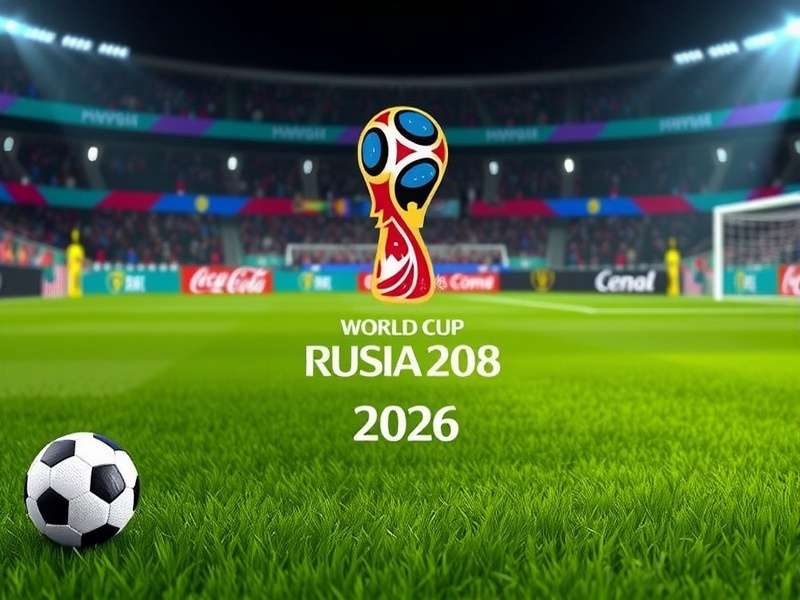
The electric atmosphere of a World Cup stadium – a taste of what 2026 will bring. (Credit: Unsplash)
The 16 Host Cities: Your Guide to the 2026 World Cup Stadiums
The tournament's spread across 16 cities in three countries offers a unique cultural and logistical experience. Each city brings its own flavour, from the passionate football culture of Mexico to the modern, sprawling complexes in the USA and Canada.
For instance, experiencing a match in the historic "Volley Glory India" spirit can find its parallel in the passionate volleyball‑loving regions of some host countries, though football will be the undisputed king. Similarly, the strategic duel reminiscent of a "Cardamom Clash" will be played out on the pitch as teams from contrasting footballing philosophies collide.
🇺🇸 United States (11 Cities)
Atlanta, Boston, Dallas, Houston, Kansas City, Los Angeles, Miami, New York/New Jersey, Philadelphia, San Francisco Bay Area, Seattle. Each offers distinct advantages: Los Angeles for glamour and perfect weather, New York for the grand finale, Atlanta for incredible indoor stadium climate control.
🇨🇦 Canada (2 Cities)
Toronto and Vancouver. Vancouver’s stunning natural backdrop and Toronto’s multicultural fervour will provide unforgettable settings. Expect massive fan zones and celebrations that mirror the inclusive spirit of community games like the "Dandiya Dance Dynamo" – vibrant, rhythmic, and full of joy.
🇲🇽 Mexico (3 Cities)
Guadalajara, Mexico City, Monterrey. The heart and soul of football in North America. The altitude of Mexico City, the passion of Guadalajara, and the industrial power of Monterrey create a formidable trio. Playing here requires the adaptability and courage of a "Heat Blaze Hero", conquering challenging conditions to achieve glory.
Understanding the geography is key to planning. If you're chasing the atmosphere of a "Ballin Titan" clash – a monumental battle between giants – aim for venues like the AT&T Stadium in Dallas or SoFi Stadium in Los Angeles, where scale and spectacle meet.
The New 48‑Team Format: Analysis & Implications
The expansion to 48 teams is the most significant change for the 2026 World Cup. It means more nations, more dreams, and more football. The format will be 12 groups of 4 teams, with the top 2 from each group plus the 8 best third‑placed teams advancing to a Round of 32.
This format increases the chances for "underdog" nations to progress deeper into the tournament, potentially creating Cinderella stories that capture the world's imagination. The group stage will remain crucial, but the margin for error is slightly larger. The increased number of matches also demands agile squad rotation from coaches – a test of depth and strategy akin to the precision and skill required in a game of "Agile Carrom Combat".
For fans, this means a more diverse array of playing styles and football cultures on display. It also extends the "must‑watch" period of the tournament, as the new Round of 32 adds an entire extra layer of knockout drama before the traditional Round of 16.
Strategic Travel & Accommodation Tips for International Fans
Planning is everything. With millions expected to descend on North America, flights and hotels will book up quickly. Consider a "hub‑and‑spoke" approach: base yourself in a central city with good flight connections to multiple host cities.
Visa requirements for the USA, Canada, and Mexico must be checked well in advance. Match ticket applications through FIFA's official portal will likely open in late 2024 or 2025. Sign up for alerts. For the authentic local experience, explore neighbourhoods outside the immediate stadium areas. The journey between cities can be an adventure in itself, requiring the adventurous spirit of a "Ginger Flight Phenom", soaring between destinations to catch the action.
💡 Pro Tip for Indian Fans
Look for travel packages that bundle matches in cities within the same time zone to minimize travel fatigue. The West Coast (Vancouver, Seattle, San Francisco, Los Angeles) offers a more manageable time difference for live viewing back home. Also, connecting with local diaspora communities can greatly enhance your experience, offering familiar food and camaraderie amidst the global frenzy.
Connecting the Dots: The Broader Sporting Culture
While football takes centre stage, the 2026 World Cup exists within a rich tapestry of global sport. The dedication of athletes in other disciplines often mirrors the commitment of World Cup footballers. The focus and precision of a "Valiant Spear Raja" in traditional games is not unlike the single‑minded determination of a striker in front of goal. These cultural parallels enrich our appreciation for the athletic excellence on display every four years.
As we build towards 2026, the excitement will only grow. This guide to the FIFA Soccer World Cup 2026 dates is your living document – bookmark it, share it, and revisit it as more details emerge. The beautiful game's greatest show is coming to North America, and history awaits.
Exploring different sports strategies can be fascinating. For instance, understanding the tactical mind‑set behind a Cardamom Clash or the endurance needed in a Heat Blaze Hero scenario offers unique perspectives on athletic performance. Similarly, the fan culture surrounding a Volley Glory India event shares the same communal passion we'll see in 2026.
To dive deeper into related sporting themes and communities, explore our features on:
- Cardamom Clash
- Heat Blaze Hero
- Ballin Titan
- Ginger Flight Phenom
- Agile Carrom Combat
- Volley Glory India
- Valiant Spear Raja
- Dandiya Dance Dynamo
Article last updated: . This page will be continually updated as FIFA releases more official information regarding the 2026 World Cup dates and schedule.